
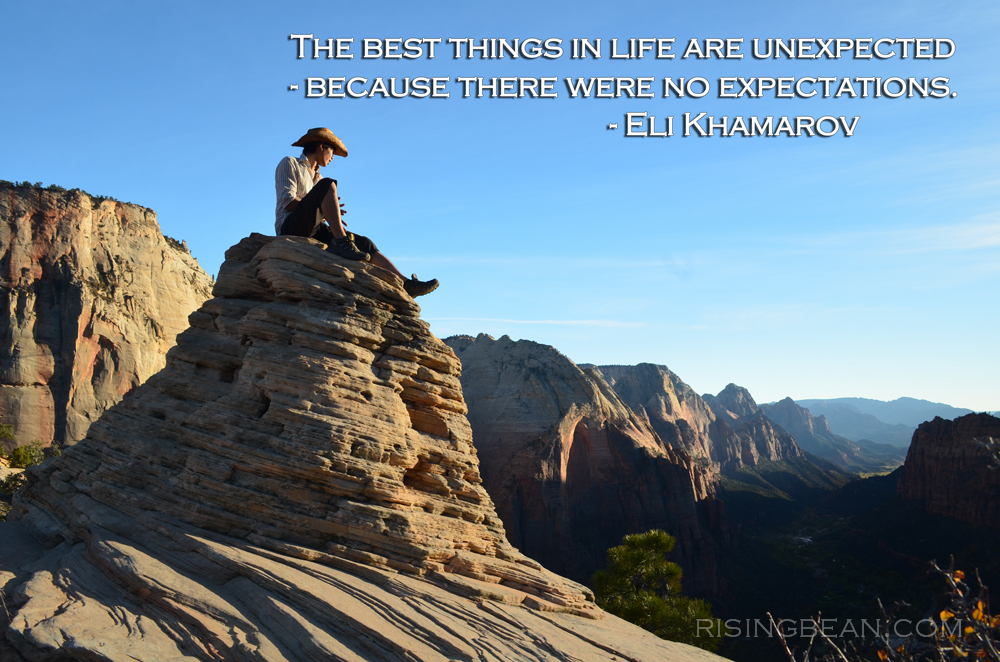
I used to travel like this. I’d get 3 weeks off from work to take my annual vacation, then I’d pad the vacation with unpaid days off, accumulated unpaid overtime, or long weekends. I’d pore through a recommended guidebook, then scribble out an agenda. So, for example, going to Turkey:
Day 1 – Land in Istanbul
Day 2 – Istanbul: Hagia Sophia, Blue Mosque, cistern
Day 3 – Istanbul: Grand Bazaar, Taksim, dancing
Day 4 – Bus to Izmir/Walk around Izmir, Head to Bodrum
Day 5 – Bodrum
Day 6 – Bus To Fethiye
Day 7 – Blue Voyage Cruise
Day 8 – Blue Voyage Cruise
Day 9 – Hang out in Olympus
Day 10 – Bus to Cappadocia
…
Day 25 – Return to Istanbul/Fly Out
etc.
I would try to stick to the agenda, but in practice, I often veered from the original plan. Maybe I wanted to surf a little longer. Maybe I met someone special. Maybe I found a city to be too polluted. Maybe I didn’t like my plan.
Over time, I found the itinerary to be too strict, too limiting, whilst interfering with my overall enjoyment. It made me leave a tranquil beach I loved sooner. It made me whirlwind travel, trying to cover EVERYTHING in the guide book. It gave me an experience that probably looked great in photos, but wasn’t so satisfactory in real life.
I had to break free, and travel more whimsically. Here’s what I learned over time:
1. There’s no shame in visiting twice. Or more. Last month was the fourth time I’ve been to Zion National Park. Each time, I’ve returned with more knowledge, more rope/gear, and more spirit to do something new. Some places, like Zion or Yosemite National Park, have a lifetime of adventure concealed within their boundaries. This time around, in addition to hiking, I rappelled into Zion’s deep slot canyons. Next time, I’ll have a go at some of Zion’s famed climbing routes. And guess what? Canyoneering is one of the coolest things I’ve done in my life, and it’s not even on my bucket list!
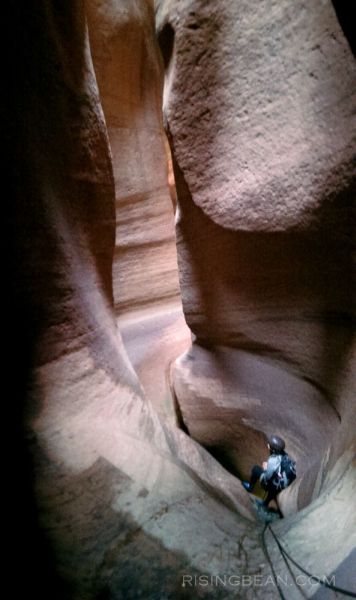
Re-visiting in this regard is nothing like returning to that same, tired Florida timeshare because you have to. It’s still fresh. It’s still a new experience. If you really like a certain country or some place, forget about trying to tick every country off your bucket list and instead, tick off the truly enjoyable sub-adventures in fewer places.
2. Forget the guidebook. I’ve seen experienced travellers carrying primitive guidebooks dated back to the 70’s. Used improperly, the guidebook becomes nothing more than a ball-and-chain. Not to mention, it’s heavy and cumbersome (Lonely Planet Europe, anyone?) I’ve suffered from guidebook dependency before, and I can tell you that it’s immensely restrictive – digital editions inclusive – Bcause whether it be book, phone, or tablet, it’s no fun spending half your time out with your face in something, trying to experience someone else’s experience.
I’m not saying they’re not useful, but don’t let them be a crutch, as the authors didn’t probably didn’t intend for that either. Use them for charting distances and for orientation, but not for itinerary. Do all your research beforehand, when it’s actually fun – Find what you absolutely must see, all the while leaving some blank spaces for whatever may come up!
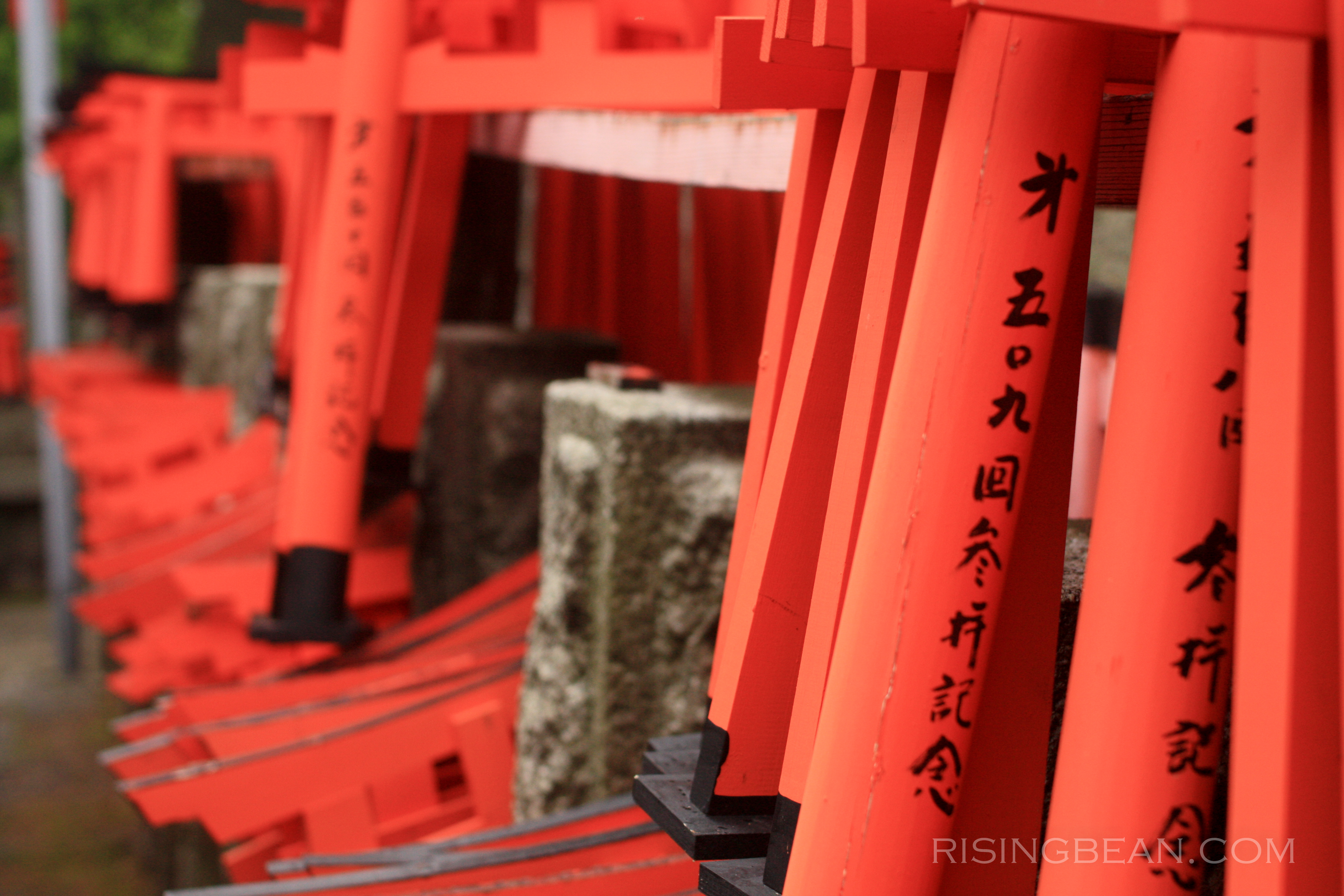
3. Don’t do something you dislike just because it’s popular. Seriously, after suffering from temple fatigue almost immediately in Kyoto, Japan, I skipped the famed Golden Temple amongst other sites, opting instead to buy a bicycle, cruise the streets, snack on street food, dance, sing my heart out at self-serve karaoke joints, and relax in the onsen (baths). To this day, I still have no regrets of skipping the temples and zen gardens.

4. Make room for adventure. Continuing on the point above, I believe a bit of adventure makes travel much, much more interesting. I would even go as far to say that it’s transformative. You don’t have to climb or do a 127 Hours adventure like me – adventure can come in the form of a short hike, rafting on gentle Class 2 rapids, or participating in a native dance.
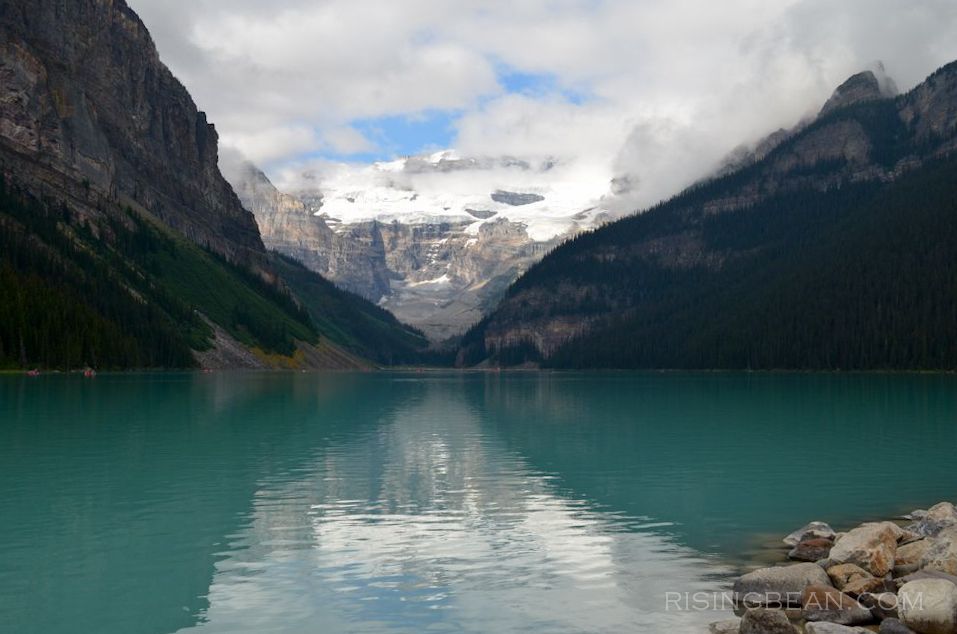
A few years ago, under snowy conditions, I snapped photos of Lake Louise at the typical Fairmont Hotel lookout. Many tourists stop at the lookout, even in good weather, and it’s a shame. Granted, it’s a phenomenal view:
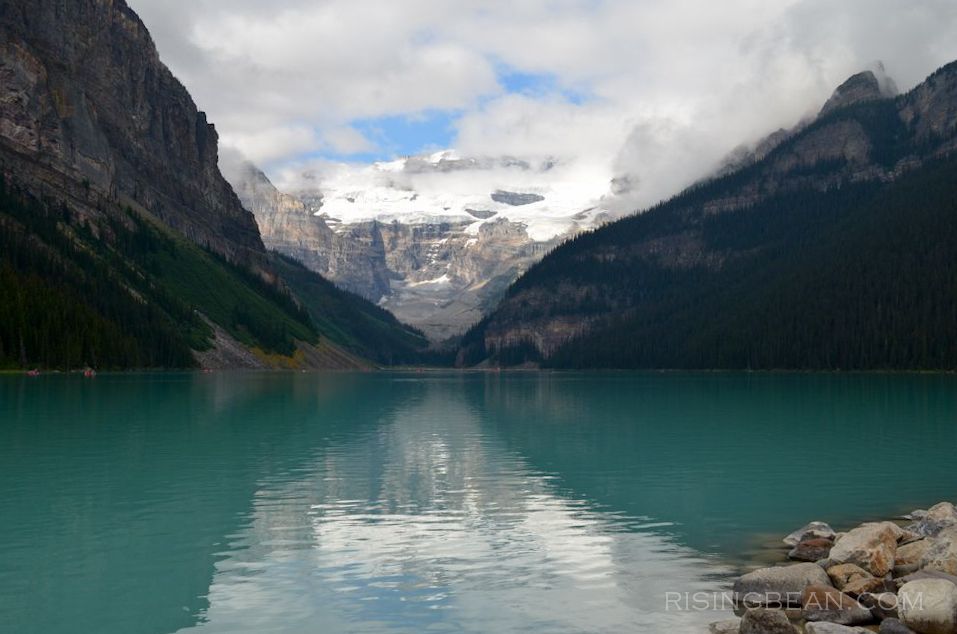
But I went back, literally. This year, I returned and hiked past the back of the lake. As you can see, the mountains opened up gorgeously, and I also tried out some fantastic climbing routes there. Along the way, I saw several children and sturdy seniors making the trek out too. Break the monotony of taking selfies in front of famous landmarks, and engage yourself using a spot of adventure.
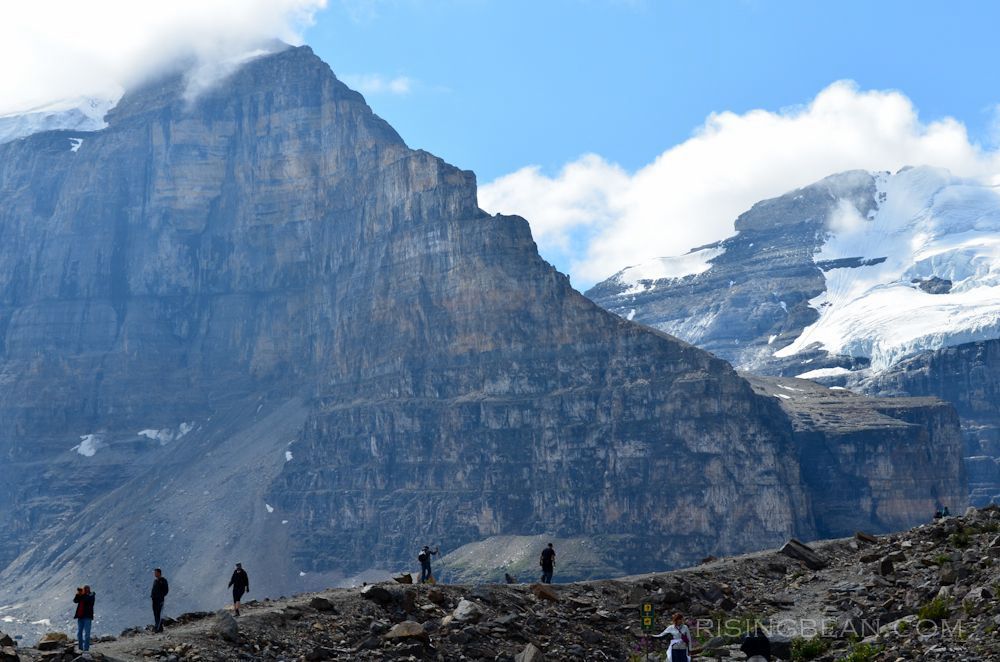
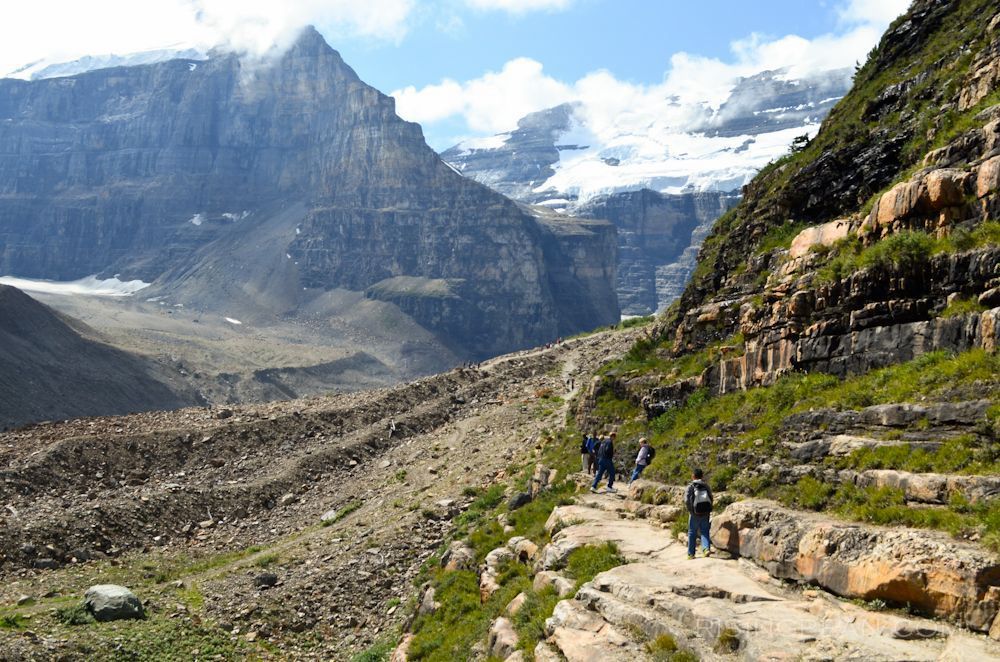
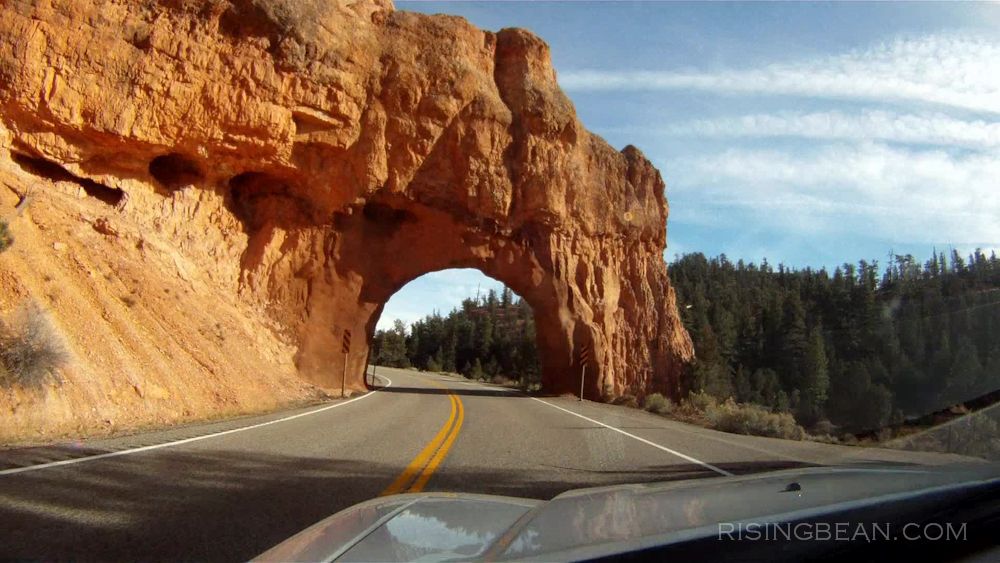
5. Road trips are awesome. Road trips are one of the most flexible types of travel I can think of. Come, stay, and go as you like. If you mix in camping, it becomes super flexible. I know camping isn’t for everyone, and I’ve found that small town accommodations along the way to be great value, even rivaling camping. In some instances, I could skip a cold, rainy night in a tent, as well as the time spent setting up, for merely an additional $10/night. On a side note, I think camper vans are awesome, though I’m not as sold on RV’s due to expense, road restrictions, taking too much, and access issues.
6. Choose more basic countries. If you want flexibility, where you can check into hotel rooms by showing up, then certain countries like Peru, Thailand, and Nepal lend themselves to that experience. The same goes for most trekking, rafting, and other adventurous expeditions. Not having to book everything in advance saves you a lot of hassle, gives you much needed freedom, and it’s also more cost-effective in most cases.
Leave a Reply